The powerful magnitude 4.5 earthquake that struck the province of Catania yesterday, March 4, 2026, has left many of us looking upward, inspecting ceilings and walls. In a territory like ours, crossed by dynamic structures such as the Tremestieri Etneo Fault, the appearance of a crack can generate immediate anxiety.
However, not all cracks are created equal. As experts in Estates and Land, we at Domus Sicilia Immobiliare want to help you distinguish between a normal "venting" of the building and a signal that requires a technician's intervention.
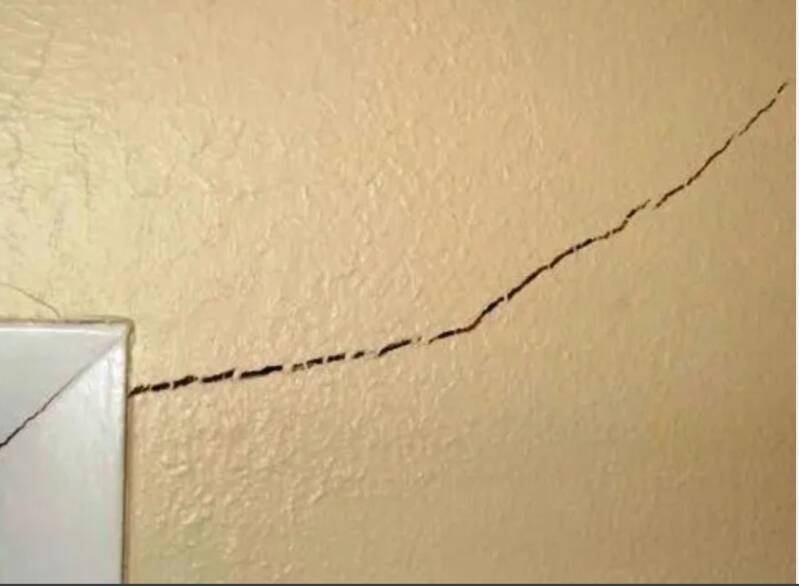
1. "Plaster Cracks" (Hairline Cracks)
These are the most common after a clearly felt tremor. They appear as thin, almost imperceptible spider webs that only affect the surface layer of the paint or coating.
-
Why they appear: The building swayed (as it must do to dissipate energy) and the plaster, which is a rigid material, slightly fractured.
-
Alert Level: Low. This is usually aesthetic damage that is easily repairable.
2. "Settling" Fissures
These often follow a horizontal or vertical path and are usually found at junction points: between a pillar and the infill (the brick wall), or where the ceiling meets the wall.
-
The Fault Factor: In areas subject to "creep" (slow shifting), such as Tremestieri, these fissures can reopen periodically.
-
Alert Level: Moderate. They do not indicate an imminent collapse, but they signal that the building is moving. It is wise to monitor them over time to see if they "travel."
3. When should you really worry? (Warning Signs)
There are types of lesions that require an immediate inspection by a structural engineer or the Fire Department:
-
45-Degree Pattern ("X" pattern): If large diagonal cracks appear on load-bearing walls or above the lintels of doors and windows, they indicate that the structure has undergone significant shear stress.
-
Through-Cracks: If the crack is visible in the same spot both inside and outside the house, it means it has breached the entire thickness of the masonry.
-
Detachment of Pillars or Beams: Any clear detachment between load-bearing reinforced concrete elements and the infill walls must be analyzed urgently.
Expert Advice: The "Glass Test"
If you notice a suspicious crack, an empirical method to monitor it is to apply a small piece of glass (or a graduated crack monitor) across the fissure using putty. If the glass breaks in the following days, it means the lesion is "active" and the ground or structure is still moving.
"Living on the slopes of Mount Etna requires a superior culture of maintenance. A safe house is not one that does not move, but one designed to move without yielding."
Conclusions
At Domus Sicilia Immobiliare, the safety of the homes we manage is our priority. If, after yesterday's events, you have doubts about the stability of your property or are considering purchasing land and want to know the exact position of the fault lines, we are here to offer you dedicated technical consultancy.
Your home is your sanctuary: protect it with knowledge.
Add comment
Comments