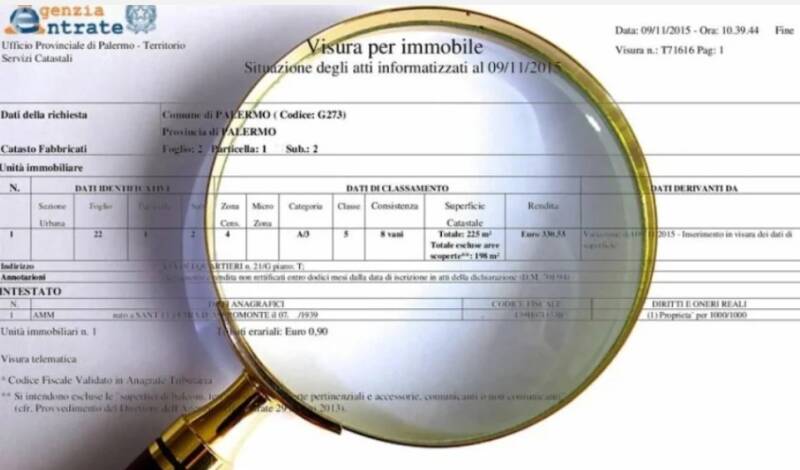
When browsing a cadastral survey (visura) for a stunning Sicilian home or a plot of agricultural land, you will encounter codes like A/3, C/2, or D/10. But what do they actually mean? Understanding the cadastral category is the first step in determining a property's tax value (rendita) and its legal function.
Categories are divided into Groups (A, B, C, D, E, F). Here are the main ones affecting the residential and land market:
Group A: Residential Properties
The most common group for those seeking a home.
-
A/2 (Civil Housing): Classic modern homes with good finishes and systems.
-
A/3 (Economic Housing): Very common in Sicilian historic centers; originally built with modest materials but often renovated today into charming residences.
-
A/7 (Villas/Small Villas): The typical category for summer residences or villas with private gardens.
-
A/11 (Local Typical Dwellings): This often includes traditional Sicilian structures like dammusi or specific rural buildings.
Group C: Outbuildings and Accessory Rooms
This is where attics and storage spaces are usually classified:
-
C/2 (Warehouses and Storage Rooms): Includes cellars, attics, and lofts. Note: A C/2 property is not legally habitable!
-
C/6 (Stables, Garages): Includes garages and parking spaces.
Group D and Rural Buildings
Vital for those investing in land and agricultural businesses in Sicily:
-
D/10 (Buildings for productive functions related to agricultural activities): This category covers rural buildings that maintain tax benefits if linked to the management of the land.
Focus: Group F ("Fictitious" Categories)
In Sicily, we often deal with "special" properties that do not produce immediate income:
-
F/2 (Collapsing Units): These are ruins—houses that are not habitable and do not pay IMU (property tax), representing incredible restoration opportunities.
-
F/3 (Units under construction): Properties not yet completed.
-
F/4 (Units under definition): Often used during the partitioning of large estates.
Why does the category matter to you?
-
Taxes: The category determines the cadastral yield, used to calculate the registration tax upon purchase and the annual IMU.
-
Intended Use: You cannot live in a C/2 (warehouse) or use an A/3 as a public office without an official change of use.
-
"First Home" Benefits: Luxury categories (A/1, A/8, A/9) are excluded from tax discounts for first-time home buyers.
The Domus Sicilia Touch:
Before every transaction, our team performs an updated cadastral search. Often, an incorrectly registered property can hide untapped potential or, conversely, unexpected tax costs. Our mission is to ensure your "abode" is perfect, even on paper.
Trust the experts at Domus Sicilia Immobiliare. We help you read between the lines of the Cadastre to protect your investment.
Add comment
Comments