The Feline Colony in a Condominium: A Heritage Protected by Law In the heart of our neighborhoods and within many residential complexes in Sicily, the presence of stray cats or groups of felines is a daily reality. But what does the law say when cats permanently stay in condominium courtyards or gardens? Italian and European legislation strongly protects felines living in freedom. Framework Law no. 144/1991 and subsequent regional laws clearly establish that feline colonies are protected: cats living in freedom cannot be captured, removed, or mistreated by anyone, not even annoyed residents. Felines sterilized by the competent local health authority (ASL) have the full right to reside in their territory of origin, including private and condominium courtyards.
Who Manages and Feeds Them? One of the most frequent reasons for discussion in condominium meetings concerns the distribution of food and the cleaning of common areas. Managing a colony or the presence of stray cats requires common sense and compliance with health and hygiene rules:
-
The role of tutors and associations: Stray cats are often cared for by authorized "colony tutors" or animal lovers within the condominium. It is essential that food is distributed at set times and that bowls are removed immediately after the meal to avoid attracting insects, rats, or other unwanted animals.
-
Condominium decorum: Leaving open bags of kibble or dirtying common areas violates hygiene regulations. Caring for strays must be combined with rigorous cleaning of the spaces.
-
Mandatory sterilization: To prevent the uncontrolled proliferation of cats and reduce issues related to heat periods (nighttime meowing and territorial marking), it is essential to coordinate with the veterinary ASL or local associations for the free sterilization of the felines.
Civil Coexistence: How to Overcome Tensions Among Residents Not all residents look favorably upon the presence of free-roaming animals in common areas. Often, concerns relate to hygiene or a fear of cats. How to act to maintain condominium peace?
-
Bad odors and dirt: Permanently open bowls or leftover food in the garden can be managed by establishing clean, removable, and hidden feeding points, agreeing on management methods with the condominium.
-
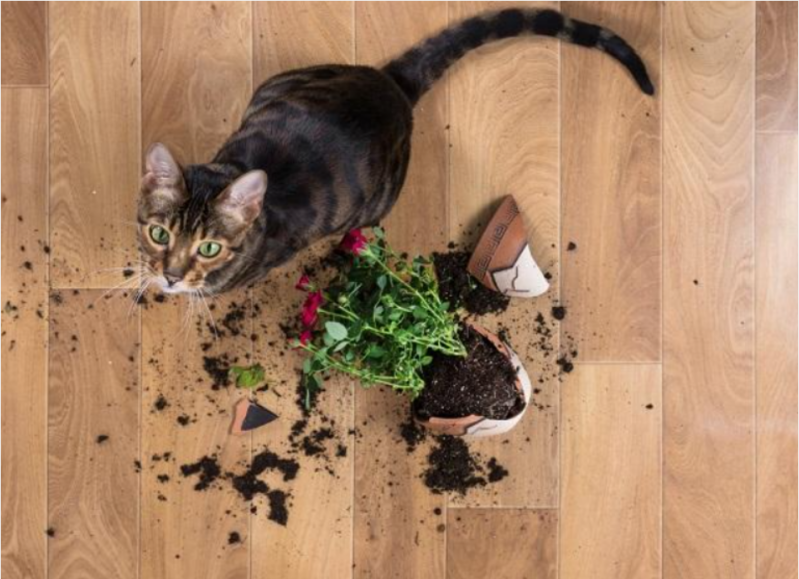
Damage to plants or cars: Cats digging in planters or climbing on parked cars in the courtyard can be discouraged by using harmless natural repellents (such as citrus fruits or specific essential oils) in flowerbeds and creating comfortable alternative shelters for cats away from parking spots.
-
Neighbors' complaints: Preconceptions or annoyance about noise and the constant presence of felines can be addressed by opening a constructive dialogue in the assembly, demonstrating that the colony is monitored, sterilized, and managed in full compliance with hygiene standards.
The Value of a Sensitive and Organized Context As Domus Sicilia Immobiliare, we well know how much the livability of a condominium depends on the quality of human relationships and respect for the surrounding environment. A residential complex capable of managing the presence of stray cats in a civil, supportive, and respectful manner demonstrates great maturity and sensitivity. Buying or selling a home in a context where love for animals combines with decorum and organization is an added value that makes a difference for those who choose to live in Sicily with serenity, tailored for humans... and paws!
Add comment
Comments