In recent months, images of massive demonstrations in Barcelona and various cities across Spain have made headlines worldwide. Thousands of residents have taken to the streets to protest against the sharp rise in rent prices and the progressive shrinking of long-term residential rental housing supply.
The Catalan capital, long a sought-after destination for international tourism and global investors, has become the symbol of a debate now central to all of Europe: how to reconcile tourism growth with the everyday livability for local residents?
In this article, we analyze what is happening in Barcelona, the measures adopted by local authorities, and the key takeaways emerging for the future of rapidly expanding real estate markets.
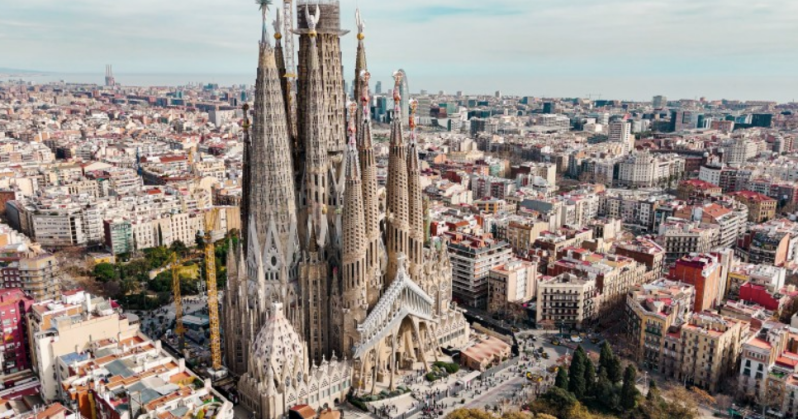
What is happening in Barcelona?
The combination of high tourist demand and the spread of short-term rentals has led to a profound transformation of Barcelona’s urban fabric in recent years. Many property owners have converted their residential units into tourist accommodations, attracted by potentially higher yields and greater flexibility.
This dynamic has resulted in two main consequences:
-
Scarcity of traditional housing supply: Finding rental homes for families, young workers, or students has become increasingly difficult.
-
Upward pressure on rental prices: The decline in properties available on the long-term market has pushed average residential rental prices higher.
Catalonia's Regulatory Responses
Faced with rising social tensions, local administrations and the Catalan government have launched a series of unprecedented restrictive measures:
-
Freezing and revoking tourist licenses: The City Council of Barcelona announced its plan not to renew tourist apartment licenses over the coming years, aiming to return thousands of properties to the long-term residential market.
-
Rent price caps in "stressed market areas": The introduction of maximum rent caps in designated areas experiencing severe housing strain.
The effectiveness of these measures and their long-term impact remain the subject of lively debate among economists, property owner associations, and social movements.
Lessons from the Catalan Case for the Real Estate Market
Barcelona's experience provides essential insights for all cities undergoing a period of strong tourist or cultural attraction.
-
Balance is the key to sustainability While tourism represents an extraordinary economic resource, an excessive shift toward short-term accommodation risks stripping historic city centers of their identity and essential services for the local community.
-
The stability of the residential market Long-term rentals ensure housing continuity, allowing neighborhoods to remain vibrant and inhabited by families, students, and professionals who sustain the local economy all twelve months of the year.
-
The need for forward-looking strategies For property owners and investors, understanding regulatory and social trends is essential to planning secure investments protected against sudden legislative changes.
Future Outlook
Barcelona’s evolution demonstrates that the real estate sector does not exist in an isolated bubble; rather, it is tightly interconnected with urban policies and social transformations. Looking at what occurs in major European metropolises helps us anticipate dynamics that could affect emerging or fast-growing markets.
In the next article on our blog, we will apply this analysis to the local context, taking a closer look at the situation in Catania—balancing tourist development, investment opportunities, and the protection of residential housing stock.
Add comment
Comments