When deciding to put a house up for sale, attention is almost always focused on visual aspects: the brightness of the rooms, the color of the walls, the care of the furnishings, or the view enjoyed from the balcony. These are fundamental details, it's true. But there is a "behind the scenes" aspect that is often overlooked until the worst possible moment: urbanistic and cadastral compliance (conformità urbanistica e catastale).
In Sicily, and particularly in the historic centers of our villages or in the foothills of Mount Etna, it is quite common to come across properties that tell a story of expansions, internal modifications, enclosed verandas, or partition walls moved over decades. These interventions were often carried out in good faith, perhaps to optimize space or improve the family's quality of life.
However, when it comes time to transfer ownership, bureaucratic reality comes knocking.
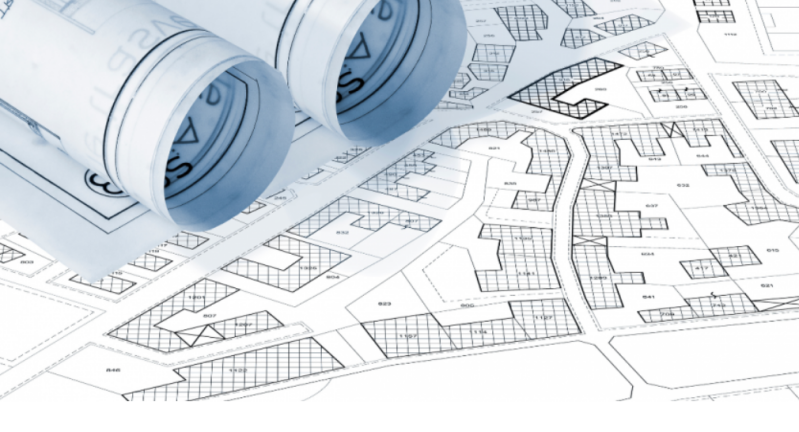
The False Myth: "As Long as It Is Registered in the Cadastre, It’s Fine"
One of the most widespread beliefs is that if the house is officially registered in the Cadastre (Catasto) and paying the relevant taxes, then everything is in order. Unfortunately, that is not the case.
The Cadastre primarily serves a fiscal function. Urbanistic compliance, on the other hand, concerns the official building permit (the license, concession, or permit under which the house was constructed or modified over time). It can easily happen that a cadastral floor plan matches the current state of the property perfectly, but the work does not correspond to the latest building permit filed with the Municipality. And at the time of the notarized deed (rogito notarile), urbanistic compliance is what legally counts.
What Happens If There Are Discrepancies?
Problems usually arise during the processing of a mortgage application for the buyer. The bank's surveyor (perito), tasked with performing the valuation and property checks, verifies the correspondence between the actual state of the premises, the floor plan, and the projects filed with the Municipality. If discrepancies emerge — even seemingly minor ones, like a moved door or a demolished partition wall — approval of the mortgage immediately comes to a halt.
The consequences are inevitable:
-
Extended Timelines: Negotiations stall to allow the owner to regularize the situation with qualified technicians.
-
Unexpected Costs: Fines, amnesty procedures (sanatoria), or restoration works borne by the seller.
-
Risk of Lost Trust: The buyer, frightened by delays or uncertainty, might decide to withdraw from the purchase.
Prevention Is Much Simpler Than Chasing Time
Checking the status of your house before putting it on the market is not an initial legal requirement, but it is the smartest choice for anyone wanting to sell stress-free.
Knowing exactly what you are selling allows you to:
-
Speed up sale timelines, reaching the deed without surprises.
-
Protect your position, avoiding post-sale disputes or claims for damages.
-
Present yourself with transparency, conveying maximum reliability to potential buyers.
A well-documented house is worth more, sells faster, and moves toward the notary deed with peace of mind for everyone.
DOMUS SICILIA IMMOBILIARE – DIMORE E TERRENI
Selling a property is not just a matter of price, but of certainty and transparent value. Rely on those who know the territory and protect every stage of your investment.
Discover our website: https://dsimmobiliare.it
> General Information Note: Urbanistic and cadastral checks require a detailed analysis by qualified technicians based on the specific characteristics of the property.
Add comment
Comments