You wake up one morning, look at the ceiling, and see that yellowish stain that every homeowner dreads. Or, you receive an infuriated call from the neighbor downstairs: "It’s raining from your bathroom!"
In a condominium, establishing who should pay for water infiltration is not just a matter of neighborly relations, but of civil liability. Here is a practical guide to understanding how to proceed without ending up in court.
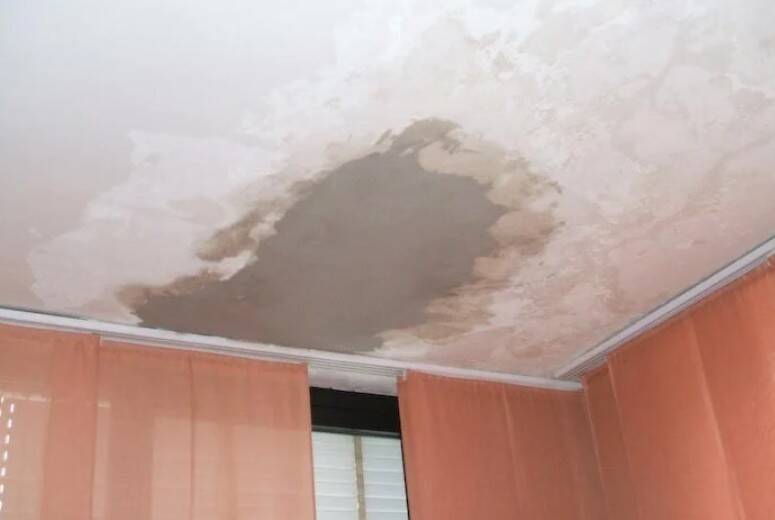
The "Boundary Line": Is the Pipe Common or Private?
The fundamental rule established by the Civil Code (Art. 1117) distinguishes between common parts and private parts.
1. The Vertical Column (Condominium) The riser (vertical column) is the main pipe that runs throughout the entire building.
-
The Rule: If the leak occurs along the vertical line, the responsibility lies with the Condominium.
-
Who pays: The cost for repairs and compensation for damages (painting, ruined furniture) is shared among all unit owners based on their property millesimal (share) values.
2. The "Braga" and Horizontal Pipes (Private) The "braga" (branch pipe) is the fitting that connects an individual apartment's pipe to the main condominium column.
-
The Legal Shift: Recent case law has clarified that the braga belongs to the individual owner, as it serves exclusively to channel water from their specific apartment.
-
Who pays: If the fault is in the fitting or in the pipes running under the bathroom floor, the expense is 100% the responsibility of the owner of the apartment where the leak originates.
The Case of Flat Roofs and Terraces
In Sicily, we love homes with terraces, but these are often a source of infiltration. If a terrace covers the building but is for the exclusive use of a single resident, Article 1126 of the Civil Code applies:
-
1/3 of the cost: Paid by the owner of the terrace (who enjoys its use).
-
2/3 of the cost: Paid by all the residents located under the vertical projection of the terrace, as it serves as a "roof" for their units.
What to do Immediately: The Correct Procedure
To prevent the damage from worsening and to ensure the insurance company doesn't refuse reimbursement, follow these steps:
-
Notify the Building Manager: This is the first step to activate the building’s global insurance policy (polizza globale fabbricati).
-
Leak Detection: Call a technician (often sent by the insurance company) to locate the exact point of the leak.
-
Photographic Assessment: Document everything before making repairs. In 2026, high-resolution photos and videos are essential evidence.
-
Check the Policy: Verify if your condominium insurance covers "Search and Restore" (Cerca e Ripristina) — the costs for breaking and rebuilding walls.
Domus Sicilia’s Advice: Never underestimate a small damp spot. It is often the sign of a pipe that is "sweating." Acting immediately costs a tenth of what you would pay to redo an entire decorated ceiling or high-end parquet flooring.
Add comment
Comments