Starting a construction project in a condominium is often necessary to maintain the property's value, but it can turn into a nightmare if something goes wrong. A piece of debris falling on a car, a crack appearing in a neighbor's wall, or a leak caused by removing the roof: who is to blame?
Here is a practical guide to understanding the responsibilities shared between the contractor, the condominium, and the professionals involved.
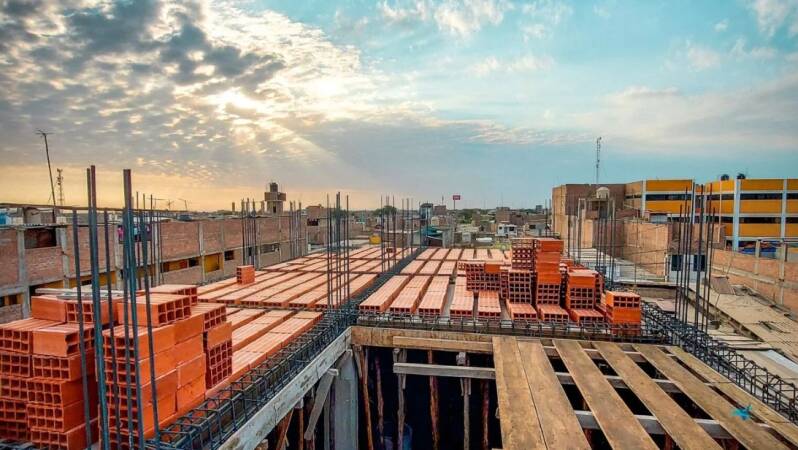
1. The Contracting Company: Primary Liability
In most cases, the main party responsible is the construction company. By signing the contract, the company assumes the role of "custodian" of the construction site.
-
Why? Because the company has technical control over the works and must implement all safety measures to prevent damage to people or property.
-
What the law says: According to Art. 2043 of the Civil Code, anyone who causes "unjust damage" is required to provide compensation. If a worker from the firm breaks a window, the firm is the one that must write the check.
2. The Condominium: When Owners are at Fault
The Condominium is not always "exempt" from blame. There are three specific cases where the residents might be called upon to pay:
-
Negligent Selection (Culpa in eligendo): If the assembly chooses a company that is clearly unsuitable, lacking equipment, or not in compliance with regulations, the condominium can be held jointly liable for the damage.
-
Lack of Supervision (Culpa in vigilando): If the damage stems from a dangerous situation that the building manager or the assembly could have foreseen and did not stop.
-
Direct Orders (Nudus Minister): If the condominium forces the company to act in a certain way, stripping it of all decision-making autonomy. In this case, the company becomes a mere "executor," and liability shifts back to the client.
3. The Works Director: The Technical Sentinel
The Works Director (Direttore dei Lavori or D.L.) is the professional tasked with verifying that the works follow the project plan and standards of good practice.
-
Their liability: They are responsible for damages if they result from a design error or poor technical supervision. For example, if they authorize a demolition that causes a floor to collapse, their professional insurance must intervene.
How to Protect Yourself Before Starting Work?
At Domus Sicilia, we always recommend three fundamental steps to our clients before the scaffolding goes up:
-
Check the DURC and Certifications: A company that is up to date with social security contributions (DURC) is generally more reliable.
-
Demand a C.A.R. Policy (Contractor’s All Risks): This is an insurance policy that covers all risks on the construction site. If the company has it, you will sleep soundly.
-
Site Condition Report: Before starting, take photos of the common areas and neighboring apartments. These will be your evidence if someone claims compensation for "pre-existing" damage.
Conclusion: The key to avoiding endless litigation is prevention. Choosing serious professionals and insured companies turns maintenance into an investment rather than a lawsuit.
Add comment
Comments