In descriptions of the most prestigious villas, we often read about "spacious living areas," "cozy taverns," or "bright attics." However, examining the cadastral plan, one often finds the abbreviations C/2 or C/6. What does this mean for sellers and buyers? And why, in the context of villas, are these categories often perceived differently?
Technical Definitions
-
C/2 (Warehouses and Storage Rooms): Includes cellars, attics, lofts, and barns. These are spaces intended for the storage of goods or household items.
-
C/6 (Stables, Sheds, Garages): Originally created for animals, today they technically represent garages or covered parking spaces.
The "Villa Paradox"
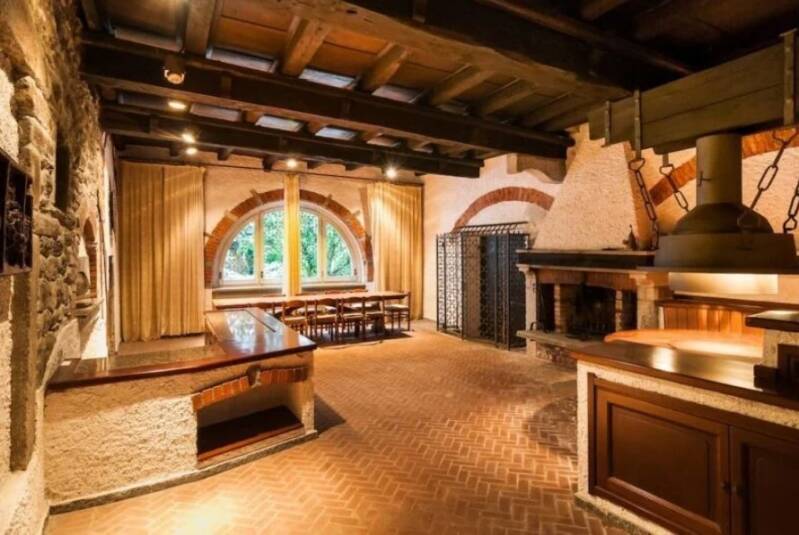
In detached villas, these spaces are often finished with the same care as the rest of the home: terracotta floors, fireplaces, heating systems, and even bathrooms. Why does this happen? Very often, due to cubic capacity limits during construction, only a portion of the property is declared as "residential" (Group A). The rest is registered as an accessory room (C/2 or C/6) to utilize surface areas that otherwise could not be built upon.
The Risks of "Mismatch"
Although a tavern (C/2) or a garage (C/6) may look like perfect living areas, three fundamental aspects must be considered:
-
Appraisal Value: If the buyer requests a mortgage, the bank appraiser will value C/2 and C/6 rooms with a much lower coefficient compared to residential rooms. This can drastically reduce the loan amount granted.
-
Habitability: By law, a C/2 room does not possess a certificate of occupancy for residential use. Using it permanently as a bedroom or main kitchen constitutes an urban planning violation.
-
Seller's Responsibility: At the time of the deed (rogito), the seller declares conformity between the actual state and the floor plan. If a garage has effectively become a kitchen, this conformity is lost, risking a halt to the transaction.
Domus Sicilia Immobiliare’s Advice
If your villa has large spaces registered as C/2 or C/6, the keyword is Transparent Enhancement.
-
For Sellers: It is essential to specify if these environments can be legally regularized through a change of intended use. This transforms a potential "problem" into a secure investment for the buyer.
-
For Buyers: We analyze average heights and light ratios together. If the parameters allow it, we will guide you in understanding how to legally transform that "cellar" into an integral part of your home.
At Domus Sicilia, our job is to ensure that the beauty of a tavern or an attic is supported by solid documentation. Because a true luxury residence must be impeccable, from the garden to the land registry.
Domus Sicilia Immobiliare – Sicilian Homes and Lands
Add comment
Comments