In cadastral language, Group F identifies properties that cannot have a tax yield because they are not yet (or no longer) suitable for producing income. Here are the most common ones you encounter in your business:
1. F/1 - Urban Area These are portions of land that are no longer considered agricultural because they are linked to a building (e.g., a courtyard area), but have not yet been registered as specific appurtenances (such as a garden or a parking space).
2. F/2 - Dilapidated Units (Unità Collabenti) This is perhaps the most frequent category for those looking for ruins to renovate.
-
What they are: Buildings that, due to an advanced state of decay, are neither habitable nor usable for other purposes and cannot produce income.
-
Advantage: They are exempt from IMU (property tax) precisely because they are "dilapidated" (i.e., in ruins).
-
Warning: They cannot undergo simple maintenance; they require major building recovery interventions.
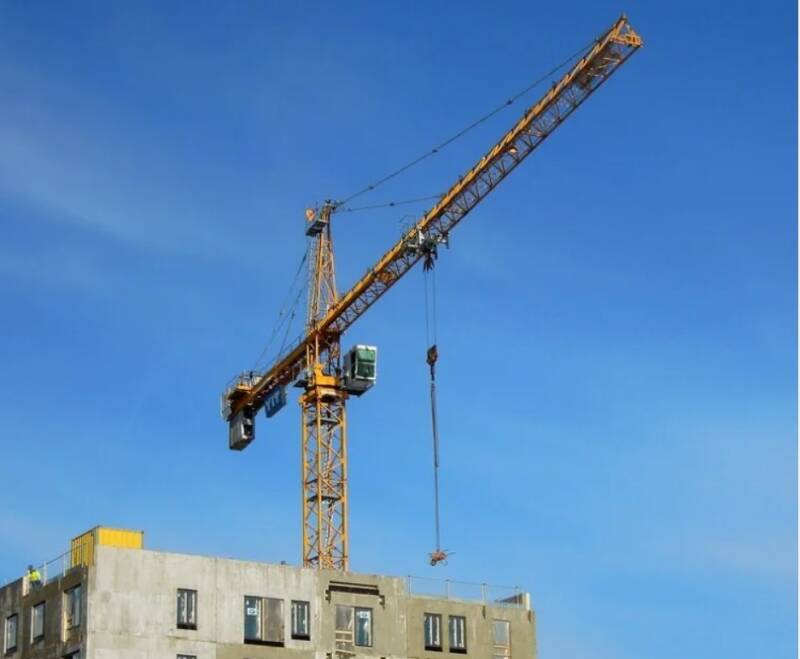
3. F/3 - Units Under Construction Indicates a property that is in its "shell" state (al rustico).
-
Use: It is a temporary category. It is used to allow deeds of sale or mortgages before the building is completed.
-
Deadline: Normally, the property should not remain in this category for more than 6-36 months, after which it must be registered in the final category (A, C, etc.).
4. F/4 - Units Under Definition Similar to F/3, but used for existing buildings undergoing splitting, heavy renovations, or changes of use that are not yet finalized. It is often used when the final destination is not yet clear (will it be an office or a home?).
5. F/5 - Solar Pavement (Rooftop) Represents the walkable terrace of a building (flat roof) when it is under exclusive ownership and can be sold separately from the apartments below. It represents pure "potential": residential volume can often be developed here (if urban planning regulations allow).
Why are they important for buyers and sellers? Dealing with Category F properties requires expertise, and this is where the role of Domus Sicilia becomes crucial. Here are three key points:
-
Market Value: An F/2 (ruin) has a value linked exclusively to the existing volume and position.
-
Purchase Taxation: Buying an F/3 or F/4 involves paying taxes at a fixed or proportional rate based on the price, not on the cadastral value (which does not exist), which changes budget calculations.
-
Mortgages: Not all banks are willing to finance the purchase of a dilapidated unit (F/2) unless there is an approved renovation project.
Domus Sicilia’s Advice "Category F properties are often diamonds in the rough. A solar pavement (F/5) can become a wonderful penthouse, and an urban area (F/1) can be transformed into the private parking spaces the neighborhood lacks. However, being 'yield-less' categories, they hide bureaucratic pitfalls: never move without an updated cadastral survey and the opinion of your trusted real estate consultant."
Add comment
Comments