In recent weeks, we embarked on a fascinating journey through the legends of our land — from the story of Colapesce to the Marabecca, all the way to the romantic myth of Acis and Galatea — sharing how Sicilian culture and identity add an invaluable intangible worth to the properties in our region.
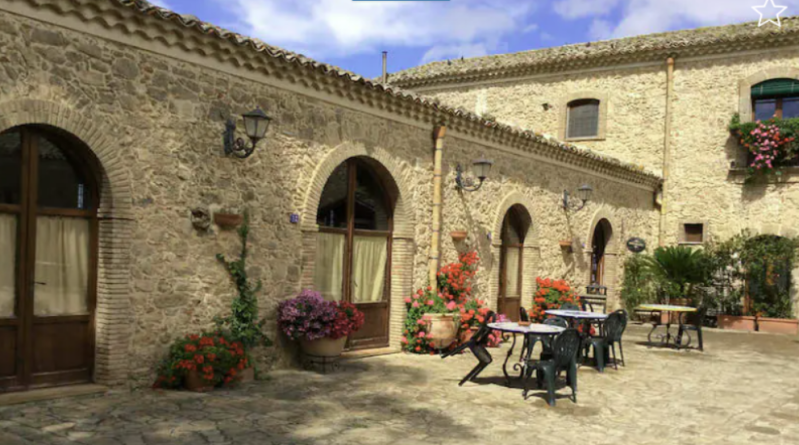
Today, we return to a practical and operational discussion on architecture, renovation, and interior design. In particular, we focus on a property type attracting growing interest from resident families as well as Italian and international investors: ancient courtyard houses and traditional lava stone farmhouses.
Restoring these structures requires a delicate balance between respecting the building’s history and meeting modern demands for comfort, energy sustainability, and functional spaces. In this article, we analyze the best strategies to enhance this unique heritage.
1. Lava Stone: The Material Heart of Mount Etna’s Architecture
Lava stone is the defining material of traditional construction across the province of Catania and the Etna villages. Used in structural elements, vaults, corner blocks, and finely carved portals, it represents a material of extraordinary strength and charm.
Restoration and enhancement tips:
-
Exposed masonry and conservative sandblasting: When renovating a farmhouse, it is essential to uncover original stone walls or portal basalt through non-invasive cleaning techniques (such as soft sandblasting), avoiding covering them completely with modern plaster.
-
Contrast between antique and contemporary: Dark stone pairs beautifully with modern finishes, such as resin flooring, large glass windows with minimal black iron frames, or warm natural wood accents (oak or walnut), creating a sophisticated material contrast.
2. Courtyard Houses: The Charm of Interior and Social Spaces
The courtyard house represents a remarkable historical residential layout: built around a central courtyard, it provided privacy, security, and natural ventilation, establishing the courtyard or garden as the true heart of domestic life.
How to rethink the courtyard for modern living:
-
An all-season outdoor living space: The inner courtyard can become an outdoor lounge, enriched with traditional Sicilian terracotta or pebble paving, native plants (citrus, olive trees, jasmine), and pergola awning systems or atmospheric lighting.
-
Indoor-outdoor continuity: Installing large sliding glass doors in place of old service doors blurs the boundaries between the living room and the courtyard, maximizing natural light and overall livability.
3. Energy Efficiency and Historical Respect: A Possible Match
One of the primary challenges in restoring historical farmhouses involves energy performance. Lava stone walls offer significant thermal mass and inertia, but they require specific measures to prevent moisture issues and heat loss.
-
Thermal and damp-proofing plasters using natural lime: External insulation (EPS) should be avoided as it would alter historic facades. Plasters based on natural lime and pozzolana ensure breathability and insulation.
-
Invisible and sustainable systems: Underfloor heating and cooling, paired with heat pumps and photovoltaic systems (integrated into roofs where regulations allow), ensure high energy ratings without compromising aesthetics.
4. Return on Investment: Why Restoring the Past Pays Off
Beyond the personal pleasure of living in a home steeped in history, high-quality restoration of a farmhouse or courtyard house offers tangible economic advantages:
-
Strong property value retention: Well-restored historic properties maintain marketability and valuations significantly higher than standardized new builds.
-
Appeal to the high-end tourism market: Lava stone farmhouses featuring swimming pools or private inner courtyards are highly sought after by luxury travelers (boutique stays or villa rentals).
-
Incentives and tax benefits: Building restoration continues to benefit from tax deductions for renovation and energy efficiency improvements.
Conclusion
Restoring a courtyard house or a lava stone farmhouse is not merely about renovating walls; it is about giving voice to history and turning ancient materials into contemporary living spaces.
Whether you are considering purchasing a property to restore or looking to enhance a farmhouse you already own in the Etna area or along the Ionian coast, the team at Domus Sicilia Immobiliare is at your service to guide you with dedicated advice and accurate market valuations.
Add comment
Comments